Hoi An Ancient Town
A UNESCO World Heritage town famous for lantern-lit streets, historic architecture, and riverside charm near Da Nang.
Overview
Located about 30 kilometers south of
Between the 15th and 19th centuries, Hoi An was one of the most important trading ports in the region, welcoming merchants from China, Japan, and Europe. This cultural exchange shaped the town’s unique architecture, which blends Vietnamese, Chinese, and Japanese influences.
Today, Hoi An attracts visitors from around the world who come to stroll along its charming streets, explore historic temples and merchant houses, and experience the magical atmosphere of lanterns glowing along the river at night.
Highlights
Japanese Covered Bridge
One of the most iconic landmarks in Hoi An is the Japanese Covered Bridge, a historic wooden bridge built in the 17th century by Japanese merchants.
The bridge features a small temple inside and is one of the most photographed sites in the town.
Lantern-Lit Streets
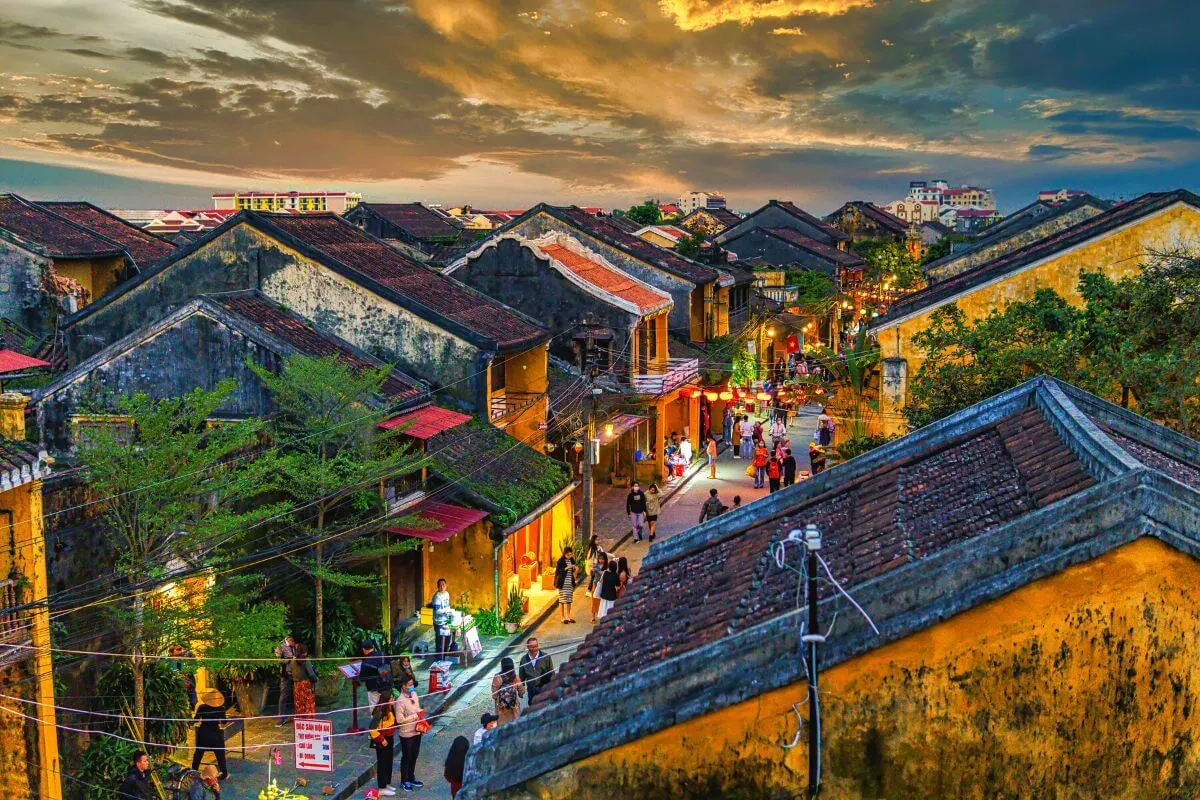
Hoi An is famous for its colorful lanterns that illuminate the town every evening. As night falls, the streets glow with warm light, creating a romantic and atmospheric setting along the riverside.
Visitors can also release floating lanterns on the river during certain evenings and festivals.
Historic Merchant Houses
The town contains many preserved merchant houses that date back hundreds of years. These homes reveal how wealthy trading families once lived and conducted business in Hoi An.
Popular historic houses include Tan Ky Old House and Phung Hung House.
Riverside Promenade
The Thu Bon River flows gently along the edge of the ancient town, creating one of the most picturesque areas in Hoi An. Cafés, restaurants, and small boats line the waterfront, making it a relaxing place to walk and enjoy the view.
History
Hoi An developed as a major trading port between the 15th and 19th centuries. Merchants from China, Japan, India, and Europe arrived here to trade silk, ceramics, spices, and other goods.
Because of its strategic location along the Thu Bon River, the town became one of the busiest commercial centers in Southeast Asia.
Although its importance as a port declined in the 19th century, the town remained remarkably well preserved. In 1999,
What to See
When visiting Hoi An, these attractions are worth exploring:
- Japanese Covered Bridge – A historic bridge symbolizing the town
- Ancient Merchant Houses – Preserved homes from the trading era
- Chinese Assembly Halls – Ornate temples built by Chinese merchant communities
- Hoi An Night Market – A lively market filled with lanterns and street food
- Thu Bon River Promenade – Scenic riverfront views and boat rides
Many of these sites are included in the official heritage ticket used to enter historic buildings.
Best Time to Visit
The best time to visit Hoi An is late afternoon and evening.
During the day, the town is charming but can be hot and crowded. In the evening, lanterns illuminate the streets and the atmosphere becomes much more magical.
Sunset is particularly beautiful along the river, and nighttime is when the town truly comes alive.
Visitor Tips
- Visit in the late afternoon to enjoy both daylight exploration and evening lantern views.
- The historic center is pedestrian-friendly, so walking is the best way to explore.
- Bring cash for markets, lantern boats, and street food.
- Avoid midday heat if visiting during summer months.
- Combine your visit with nearby beaches such as An Bang Beach.
Frequently Asked Questions
Is Hoi An worth visiting from Da Nang?
Yes.
How far is Hoi An from Da Nang?
Hoi An is about 30 kilometers from Da Nang, and the drive usually takes 40–50 minutes.
Do you need a ticket to enter Hoi An Ancient Town?
Walking through the town is free, but visitors must purchase a ticket to enter certain historic buildings and heritage sites.
What is the best time to visit Hoi An?
Late afternoon and evening are the best times, when the lanterns light up the streets and the temperature becomes more comfortable.
Nearby Attractions
Several popular attractions are located near Hoi An:
oaicite:7 – A famous beach in Da Nangoaicite:8 – Limestone hills filled with caves and temples- An Bang Beach – A relaxed beach just outside Hoi An
oaicite:9 – A mountain resort famous for the Golden Bridge
These destinations make it easy to combine Hoi An with a wider exploration of central Vietnam.
Photography Tips
Hoi An is one of the most photogenic places in Vietnam.
Lantern streets at night
The colorful lanterns create warm, glowing scenes perfect for evening photography.
Riverside reflections
Capture reflections of lanterns and historic buildings along the Thu Bon River.
Yellow colonial architecture
The distinctive yellow walls of Hoi An buildings create beautiful color contrast against blue skies.
Sunset river views
Sunset along the river offers soft lighting and scenic boat silhouettes.
Suggested Itinerary
A half-day trip from
Afternoon
- Depart Da Nang around 3–4 PM
- Walk through
oaicite:11 and visit historic houses
Evening
- Watch sunset along the Thu Bon River
- Enjoy dinner at a riverside restaurant
- Explore lantern-lit streets and night markets
Night
- Take a lantern boat ride on the river
- Return to Da Nang later in the evening
Insider Secrets
Local Etiquette
Find your way
Open in Google MapsKeep Exploring