Ba Na Hills
A mountain resort near Da Nang famous for the Golden Bridge, scenic cable cars, and a French-inspired village above the clouds.
Overview
Located about 40 kilometers west of Da Nang, Ba Na Hills is one of the most famous mountain attractions in central Vietnam. Perched at an elevation of nearly 1,500 meters above sea level, the resort offers cool temperatures, spectacular mountain scenery, and one of the most iconic landmarks in the country—the Golden Bridge.
Originally developed by the French as a hill station in the early 20th century, Ba Na Hills has evolved into a large mountain resort complex featuring a European-style village, gardens, temples, and amusement parks. Visitors reach the summit by riding one of the world’s longest and most scenic cable car systems, which glides above dense forests and misty valleys.
For many travelers visiting Da Nang, Ba Na Hills is a must-see destination combining dramatic landscapes, architecture, and entertainment in a single day trip.
Highlights
Golden Bridge
The Golden Bridge is the most photographed landmark in Ba Na Hills. The pedestrian bridge appears to be held by two giant stone hands emerging from the mountainside, creating one of the most striking architectural designs in Vietnam.
Since its opening in 2018, the bridge has become an international sensation and a symbol of tourism in Da Nang.
Ba Na Cable Car
The journey to Ba Na Hills begins with a breathtaking cable car ride that travels across forests and mountains. The system holds multiple world records for its length and elevation gain.
The ride itself is a highlight, offering panoramic views of waterfalls, jungles, and mountain ridges.
French Village
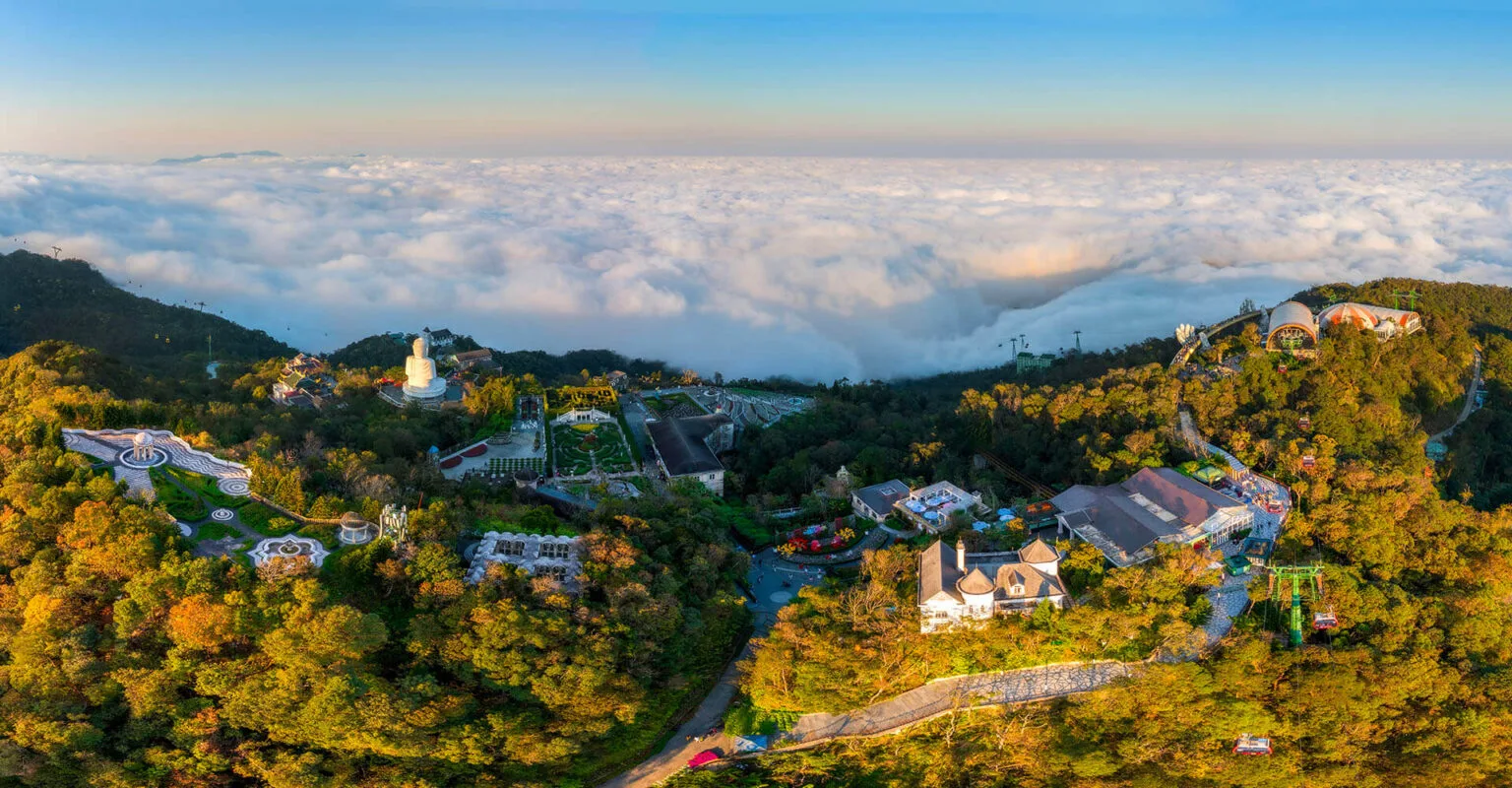
At the summit, visitors arrive at the French Village, a charming recreation of a European medieval town complete with stone streets, Gothic-style architecture, cafes, and churches.
Although built primarily for tourism, the village creates a unique atmosphere high above the clouds.
Sun World Theme Park
Ba Na Hills is also home to Sun World Ba Na Hills, an entertainment complex with indoor amusement rides, games, restaurants, and family attractions. The Fantasy Park indoor theme park is particularly popular for visitors traveling with children.
History
Ba Na Hills was first developed in 1919 during the French colonial period. French officials built villas and resorts in the mountains to escape the heat and humidity of the coastal plains.
Many of the original buildings were later abandoned and fell into ruins. In the early 2000s, the area was redeveloped as a major tourism complex by the Sun Group, transforming it into one of Vietnam’s most visited attractions.
Today, Ba Na Hills combines its colonial history with modern tourism infrastructure and entertainment facilities.
What to See
When visiting Ba Na Hills, these are the main attractions not to miss:
- Golden Bridge – The iconic bridge supported by giant stone hands
- Ba Na Cable Car – One of the longest cable car rides in the world
- French Village – A European-inspired mountain town
- Le Jardin D’Amour Gardens – Beautiful landscaped flower gardens
- Linh Ung Pagoda (Ba Na) – A peaceful temple with mountain views
- Fantasy Park – Indoor amusement park with rides and games
Best Time to Visit
The best time to visit Ba Na Hills is early in the morning, ideally arriving right when the cable car opens.
Morning visits offer:
- Cooler weather
- Fewer crowds at the Golden Bridge
- Clearer mountain views before clouds roll in
Because of the elevation, the weather at Ba Na Hills is often cooler and mistier than in Da Nang city.
Visitor Tips
- Arrive early to avoid long cable car queues.
- Bring a light jacket since the mountain temperature can be much cooler.
- Expect crowds at the Golden Bridge during midday.
- Allocate at least 4–6 hours to fully explore the area.
- Purchase tickets online or through hotels to save time.
Frequently Asked Questions
Is Ba Na Hills worth visiting?
Yes. Ba Na Hills is one of the most unique attractions near Da Nang thanks to its cable cars, mountain scenery, and the famous Golden Bridge.
How far is Ba Na Hills from Da Nang?
Ba Na Hills is about 40 kilometers from Da Nang city center, and the drive usually takes 45–60 minutes.
How much time do you need at Ba Na Hills?
Most visitors spend half a day to a full day exploring the mountain resort.
Do I need to buy tickets in advance?
Buying tickets online or through a hotel or tour operator can help avoid queues during busy seasons.
Nearby Attractions
If you are exploring Da Nang, these attractions can easily be combined with your trip:
- Marble Mountains – Limestone hills with caves, temples, and scenic viewpoints
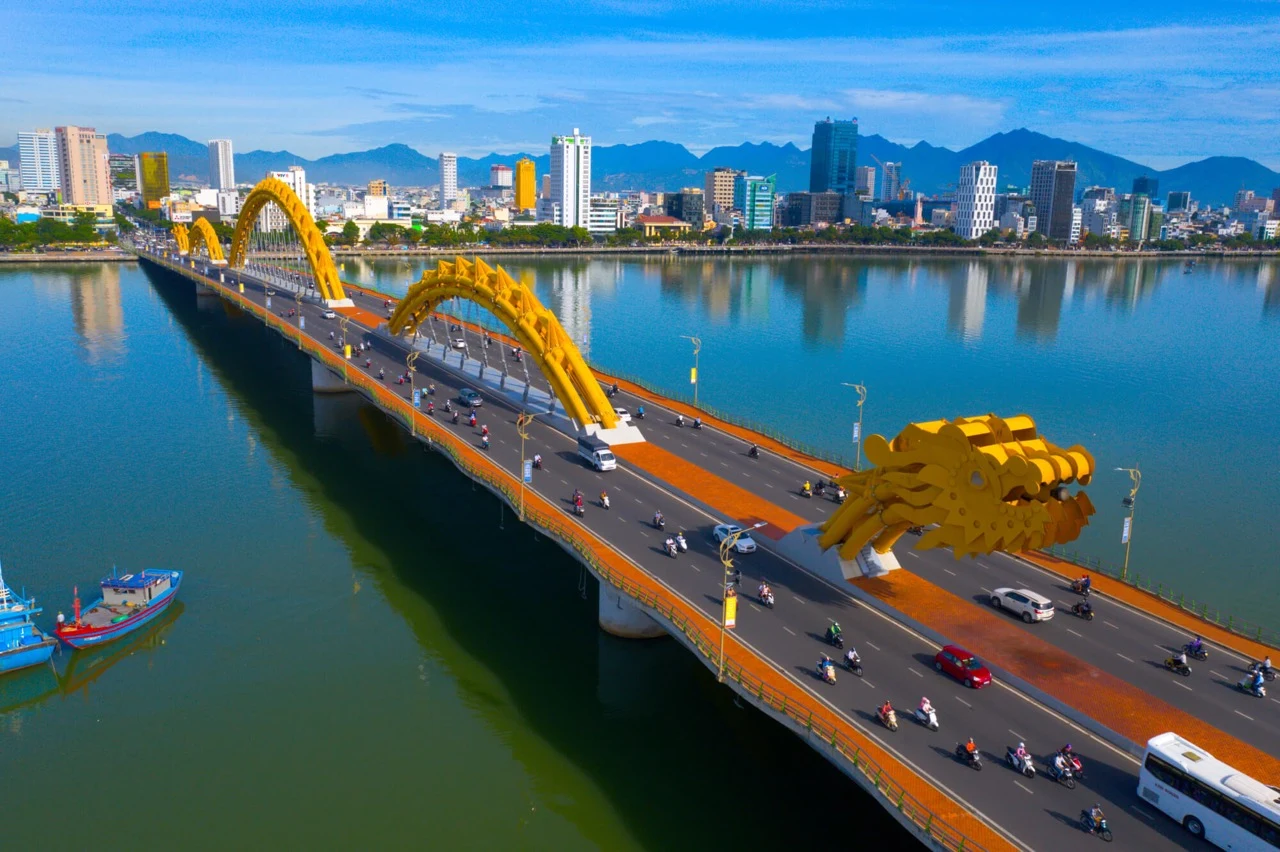
- Dragon Bridge – A modern symbol of Da Nang that breathes fire on weekend nights
- My Khe Beach – One of the most beautiful beaches in Vietnam
- Linh Ung Pagoda (Son Tra Peninsula) – Famous for the towering Lady Buddha statue
Photography Tips
Ba Na Hills offers some of the most dramatic photography locations near Da Nang.
Golden Bridge at sunrise
Arriving early provides the best chance to capture the bridge without large crowds.
Cable car landscapes
Use the cable car ride to photograph the forest canopy and mountain scenery below.
Cloudy mountain atmosphere
Mist and fog often roll across the mountains, creating dramatic and cinematic photos.
French Village architecture
The stone streets and Gothic buildings create great architectural photography opportunities.
Suggested Itinerary
A visit to Ba Na Hills can easily fill an entire day.
Morning
- Depart Da Nang early
- Take the cable car to Ba Na Hills
- Visit the Golden Bridge before crowds arrive
Midday
- Explore the French Village
- Walk through Le Jardin D’Amour Gardens
- Visit Linh Ung Pagoda
Afternoon
- Enjoy attractions inside Fantasy Park
- Ride the cable car back down the mountain
- Return to Da Nang city
Many travelers combine Ba Na Hills with dinner in the city and a visit to Dragon Bridge at night.
Insider Secrets
- 01
"Visit at sunset to see the city lights begin to twinkle below."
- 02
"The vegetarian lunch served by the monks is a hidden gem."
Local Etiquette
Wear clothing that covers shoulders and knees (Respectful dress code).
Avoid pointing your feet directly at the Buddha statues.
Find your way
Open in Google MapsKeep Exploring